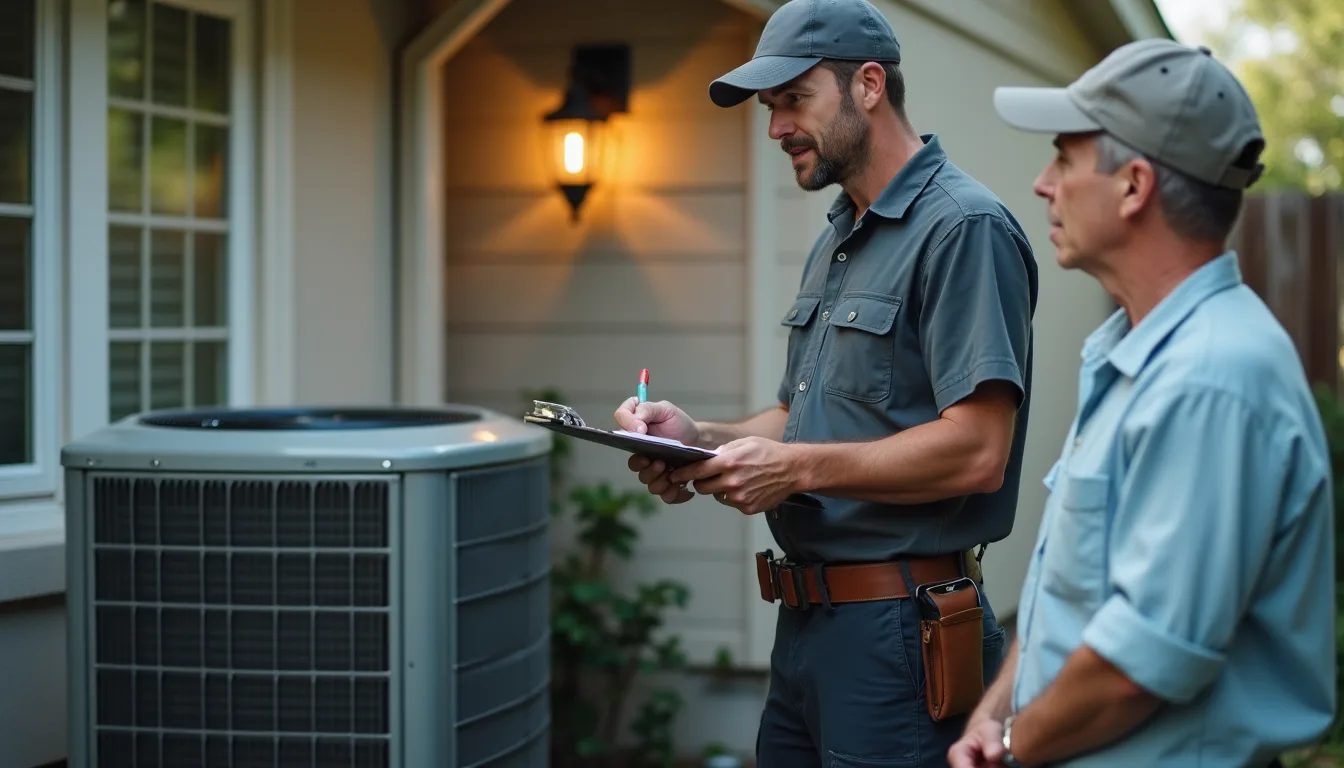
Emergency HVAC: What to Do Before Help Arrives
Published: 2026-04-14 · By HeatPulse Heating and Air Conditioning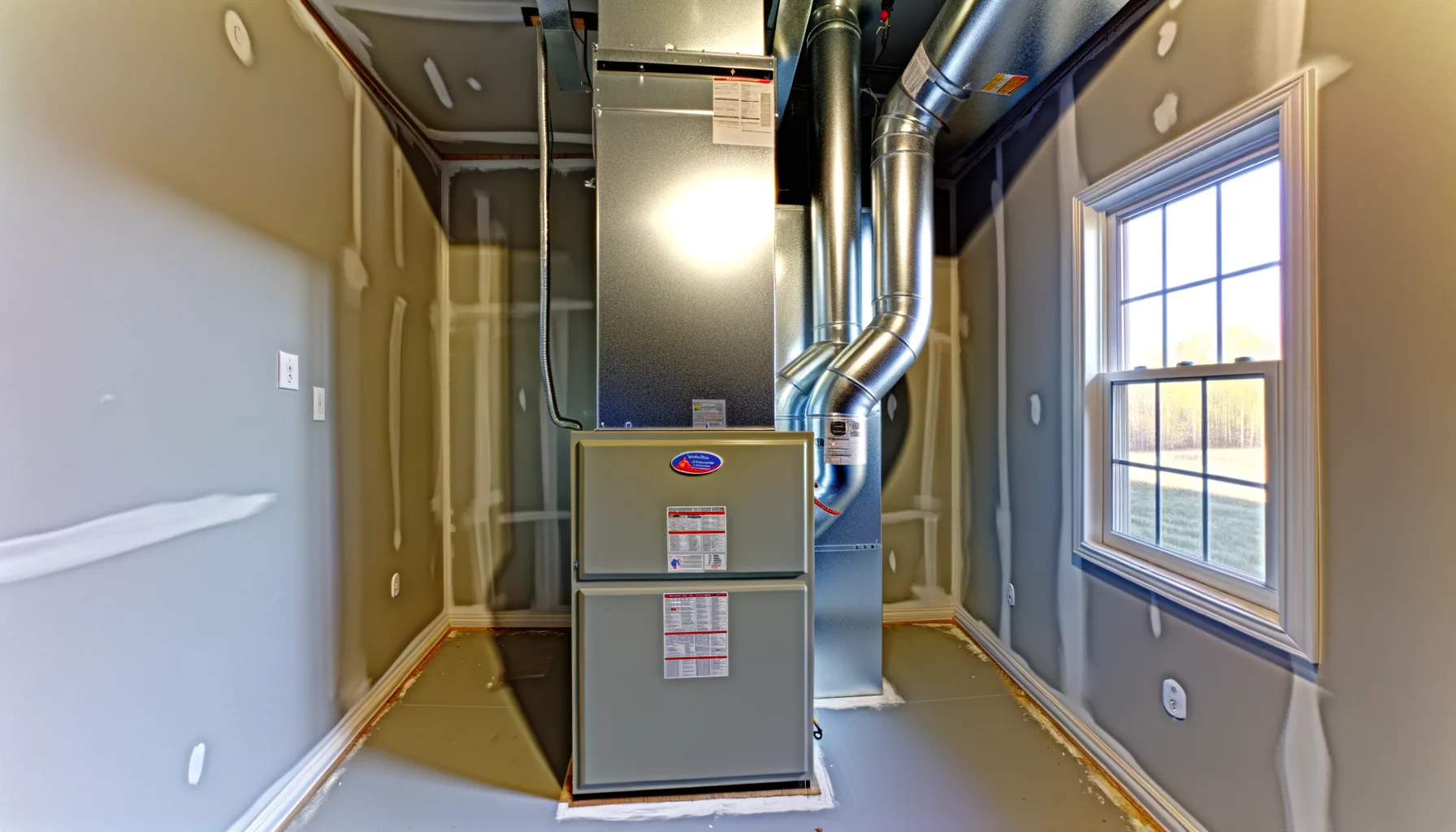
As an Indianapolis homeowner, you’re no stranger to the rollercoaster of seasonal weather changes. One moment, it’s a sweltering 90 degrees, and suddenly, a cold front rolls in, catching your HVAC system off guard. Imagine waking up at 2 AM, drenched in sweat or bundled under layers of blankets, depending on the whims of the season. HVAC emergencies can feel daunting, but having a plan can make all the difference. Here’s what you need to know to navigate any crisis with confidence while you wait for help from HeatPulse Heating and Air Conditioning.
Why This Matters for Indianapolis Homeowners
For residents in Indianapolis, the extreme fluctuations in temperature can wreak havoc on heating and cooling systems. During our sweltering summers, air conditioners are overworked, and when winter rolls around, furnaces are put to the ultimate test. This perfect storm can lead to unexpected breakdowns, leaving you uncomfortable and potentially facing higher repair costs if issues are not addressed quickly. Regular maintenance becomes crucial in such an unpredictable climate.
The Midwest’s humid continental climate adds another layer of complexity. Homeowners often overlook seasonal maintenance, assuming their HVAC systems are resilient. In reality, neglect can lead to breakdowns when you need your system the most.
In Indianapolis, where the temperatures can swing wildly from summer heat to winter chill, knowing how to respond effectively to an emergency can save you both time and money.
Expert Solutions & Actionable Tips
1. 1. Know Your System’s Basics
Understand how your heating and cooling systems function. Familiarize yourself with the thermostat settings and the type of system you have, whether it’s a split air conditioner, heat pump, or furnace. In moments of panic, knowing whether to increase the temperature or switch to emergency heat can make all the difference in maintaining comfort.
Regularly check the air filter and replace it as needed, typically every 1-3 months. Dirty filters can cause your system to work harder and fail, especially during peak use times.
2. 2. Evacuate if Necessary
If your HVAC emergency involves smoke or the smell of burning wires, evacuate your home immediately. This may indicate a fire hazard, and your safety is paramount. Call 911 if you feel that your home is at risk. It’s better to be safe than sorry.
After evacuating, contact HeatPulse Heating and Air Conditioning for a thorough assessment of the damage once the situation is under control.
3. 3. Locate the Main Power Switch
In case of an emergency, knowing how to turn off the power supply to your HVAC system can prevent further damage. Locate the circuit breaker and shut off the power. This step is critical if you suspect that your system is experiencing an electrical issue. Doing so can protect your system from lasting harm.
While this is a simple step, it could prevent a small issue from becoming a more significant, costly repair.
4. 4. Document Symptoms Promptly
When you notice any changes in your HVAC system, like strange noises, clicking sounds, or inconsistent temperatures, take notes. Documenting these symptoms can help HVAC technicians diagnose the problem more efficiently and accurately, leading to quicker repairs.
Make a note of when the symptoms started and any steps you took, as this information can significantly speed up service time after you call for help.
5. 5. Prepare for Multiple Scenarios
Different emergencies may require varied approaches. For instance, if your air conditioner stops working during a hot summer day, you might need to find alternative cooling solutions while you wait for repairs. On the other hand, a furnace failure in the dead of winter can pose severe risks. Have a plan in place, such as extra blankets, fans, or even portable heaters, to ensure your family stays comfortable.
Discuss options with HeatPulse Heating and Air Conditioning to understand alternative solutions that may work for your home.
6. 6. Know When to Call for Help
Not all HVAC issues are DIY-friendly. If you’re ever unsure, it’s best to call HeatPulse Heating and Air Conditioning for a professional evaluation. For example, if there are consistent short cycling issues or a gas smell, do not hesitate to reach out immediately. Quick assessment can often mitigate costs and repairs over time.
Considering the unpredictability of Indiana’s climate, having a trusted professional on speed dial can save you from future emergencies.
Indianapolis Climate & Local Context
Indianapolis experiences a marked seasonal climate, with hot, humid summers and snowy winters. This variance requires that homes are built to withstand significant temperature changes, which can stress HVAC systems. Local building codes often mandate that ductwork insulation adheres to specific standards to ensure optimal energy efficiency while accommodating these wide-ranging temperatures.
Additionally, older homes may require specific permit approvals for HVAC system upgrades or replacements. Knowing how these factors affect your heating and cooling options is vital for all homeowners in the Indianapolis area.
As a result, understanding the local climate helps in selecting the right HVAC system and ensuring it performs optimally throughout the year.
When to Call a Professional
While some HVAC issues might seem manageable, homeowners in Indianapolis must always know when to call a professional. DIY approaches can sometimes worsen the problem, costing you more in repairs down the line. It’s essential to distinguish between minor fixes and serious concerns that require expert attention.
Here’s a list of red flags that indicate you should contact a pro right away:
- No cool or warm air flowing from vents
- Unusual noises or smells from the system
- Frequent cycling of the unit
- Increased energy bills without changes in usage
- Visible leaks or water damage around the HVAC unit
- Inaccurate temperature readings
- Electrical problems like tripped breakers
If you experience any of these symptoms, don’t hesitate to reach out to HeatPulse Heating and Air Conditioning.
Frequently Asked Questions
How long does it typically take for HVAC repairs?
In Indianapolis, most HVAC repairs can take anywhere from an hour to four hours, depending on the issue's complexity. Simple problems may be resolved quickly, while significant repairs could take longer.
What are the average costs for HVAC emergencies?
Emergency HVAC service in Indianapolis usually ranges from $150 to $600, depending on the time of service and the nature of the repairs. Factors like parts and labor involved can influence the total cost.
Should I perform maintenance on my HVAC system myself?
While you can handle tasks like changing air filters, more complex maintenance should be left to professionals. Regular system check-ups by HeatPulse Heating and Air Conditioning can help prevent future emergencies.
What is the best way to stay prepared for an HVAC failure?
Keep a list of HVAC service contacts on hand, along with any warranties or service agreements. Additionally, performing bi-annual inspections with HeatPulse can help mitigate risks associated with system failures.
How can I improve my HVAC system’s efficiency?
To improve efficiency, ensure that vents are unblocked, regularly replace filters, and consider a programmable thermostat. Consulting with HeatPulse can provide tailored recommendations based on your specific home setup.
Get Expert HVAC Service in Indianapolis
When an HVAC emergency arises, staying calm and organized can help you manage the situation effectively. With proper preparation, you can mitigate discomfort while waiting for assistance. For reliable service and expert care, don’t hesitate to reach out to HeatPulse Heating and Air Conditioning in Indianapolis at (463) 275-3975.
Trust your local experts to help you navigate any HVAC challenge, ensuring your comfort and peace of mind throughout the changing seasons.