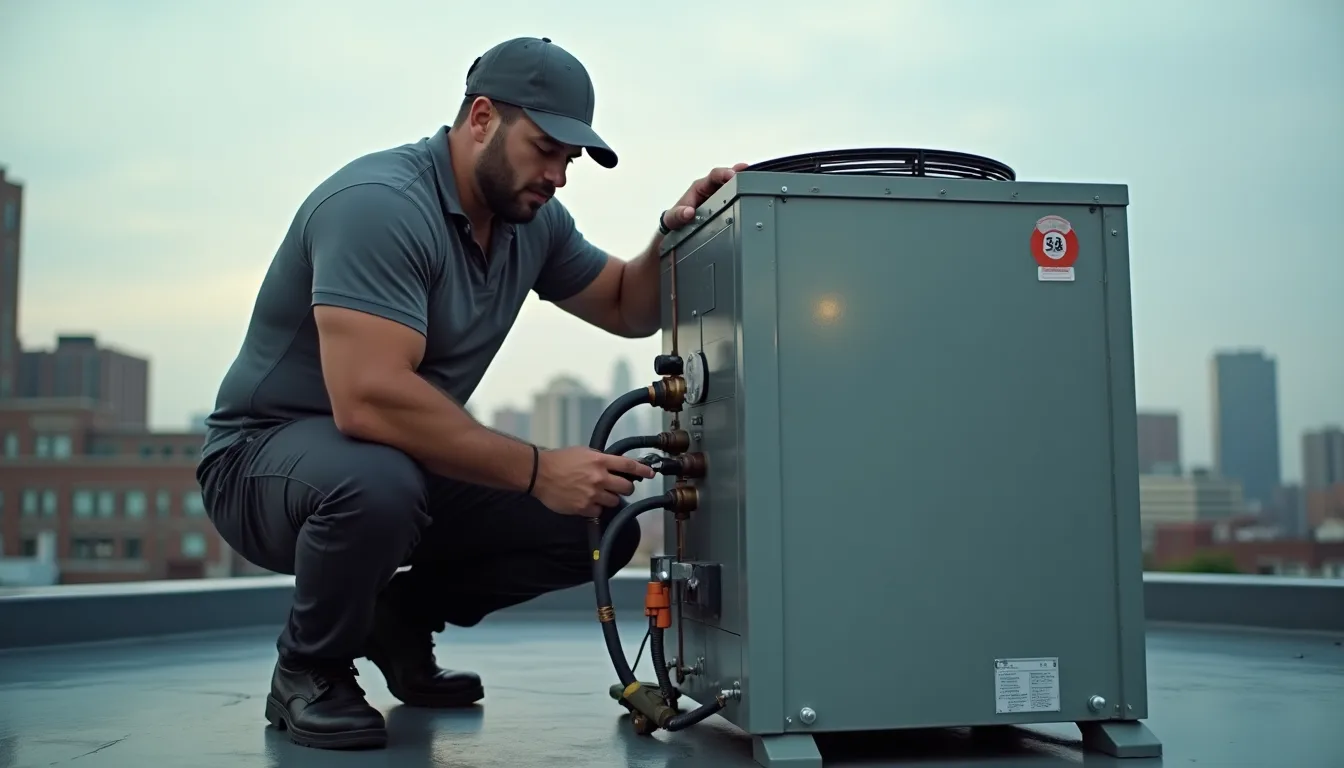
When to Call a HVAC Professional vs DIY
Published: 2026-04-14 · By HeatPulse Heating and Air Conditioning
As summer temperatures soar in Indianapolis, many homeowners find themselves sweating over their HVAC systems. Imagine preparing for a scorching July day only to discover that your air conditioning unit has become more of a decorative piece than a cooling mechanism. Whether you hear strange noises or notice uneven temperatures, the question arises: When should you reach for the toolbox, and when is it time to call in the experts at HeatPulse Heating and Air Conditioning?
Why This Matters for Indianapolis Homeowners
Indianapolis experiences extreme seasonal variations, from freezing winters to sweltering summers, placing a heavy burden on HVAC systems throughout the year. Homeowners must pay attention to their heating and cooling systems, as neglecting small issues could potentially lead to costly repairs or system replacements. The city's fluctuating climate can reveal weaknesses, such as outdated systems struggling to cope, which is why understanding the proper moments to call a professional HVAC technician is vital.
For instance, a common concern is the uneven distribution of heat or cool air, which can lead to discomfort and increased energy bills. Another is the potential for air quality issues exacerbated by severe weather, as moisture can incite mold growth or provoke allergies. The unpredictable nature of Indiana weather means homeowners must be proactive in maintaining their HVAC systems.
Tip: Regularly scheduled maintenance can prevent emergencies and save money long-term. Don’t wait for the system to break down!
Expert Solutions & Actionable Tips
1. Regular Maintenance Checks
One of the best preventative measures you can take is to schedule annual maintenance checks. This service can cost between $75 and $150, depending on the specific needs of your system. Technicians will clean filters, check refrigerant levels, and ensure everything operates efficiently. In Indianapolis, it's advisable to schedule service before peak heating or cooling seasons—usually in late spring or early fall—for optimal performance.
2. Changing Air Filters
One of the simplest DIY tasks is changing your air filter, which should occur every 1-3 months based on usage. A new filter can cost around $15. Dirty filters restrict airflow and force your HVAC system to work harder, raising your energy bills and potentially causing system failure. In the Indianapolis climate, where pollen in the air can be substantial, maintaining clean filters is crucial for both efficiency and indoor air quality.
3. Identifying Minor Issues
If you notice something minimal like a strange sound or a malfunctioning thermostat, it may be tempting to fix it yourself. While minor issues can sometimes be solved with basic troubleshooting—such as adjusting the temperature settings—persistent problems can indicate more significant distress in your system. A professional inspection here may save you from further damage and more expensive repairs in the long run.
4. Seeking Help for Electrical Issues
Electrical problems in your HVAC system can be dangerous and often require professional intervention. If you notice tripped circuit breakers or flickering lights when the HVAC is on, call a technician immediately. Attempting to fix these issues alone could lead to electrical fires or personal injury, especially in older homes common in many parts of Indianapolis.
5. Emergency Scenarios
There are certain emergencies where a DIY approach is inadvisable. If you experience a complete system failure in extreme temperatures, such as during a snowstorm or heatwave, reaching out to an HVAC professional is essential. For example, in February, when temperatures can plummet, a down furnace can leave your home dangerously cold. The professional will diagnose the issue and have the appropriate parts and experience to get your unit running again.
6. Understanding Local Codes
Indianapolis has specific building codes regarding HVAC installations and repairs. If you're planning to undertake significant renovations or system changes, understanding these laws is critical. Hiring a professional not only ensures compliance but can also prevent costly fines. Professionals like those at HeatPulse Heating and Air Conditioning stay updated on local regulations and can handle permits, giving you peace of mind.
Indianapolis Climate & Local Context
Indianapolis experiences a humid continental climate, with cold winters and hot, humid summers. This makes the city particularly challenging for heating and cooling, as systems must adjust to substantial temperature swings. The local building stock often shows a mix of historical homes and modern constructions, each with unique HVAC needs. Older homes may have outdated systems that struggle with efficiency, leading homeowners to consider replacements when problems arise. Local code requirements also dictate that any major HVAC work—including installations and modifications—must adhere to safety standards, which can be intricate based on the district you live in.
Homeowners should also be aware of weather-related factors such as humidity levels, especially in summer months when air conditioning units work extra hard to remove excess moisture. The Indiana Department of Environmental Management frequently advises on air quality during pollen-heavy springs, emphasizing the need for efficient filtration systems. As such, understanding your home's HVAC needs in context with local climate conditions is crucial.
When to Call a Professional
Determining when to call in a professional HVAC technician can be intricate, depending on the severity of the issues you're facing. While certain minor tasks may be suitable for a DIY approach, significant concerns warrant expert attention. For instance, persistent breathing issues or temperatures that don't seem to stabilize indoors indicate the need for a professional. Understanding these distinctions can save you not only time but also potentially costly repairs down the line.
- Constantly cycling on and off.
- Unexplained spikes in energy bills.
- Noticeable carbon monoxide alarms.
- The compressor is unusually hot.
- Water pooling around your HVAC unit.
- Strange odors emanating from vents.
- Inconsistent air flow throughout the home.
- Previous repairs are failing to solve ongoing issues.
Frequently Asked Questions
What should I do if my AC is blowing warm air?
First, check your thermostat settings and ensure it's set to cooling mode. If the settings are correct and the unit fails to cool, it’s advisable to contact HeatPulse Heating and Air Conditioning for a thorough diagnosis.
How often should I have my HVAC system serviced?
We recommend scheduling maintenance checks twice a year—once before the heating season and once before the cooling season. This ensures your system parts are lubricated and functioning properly.
Is it worth investing in a new HVAC system?
If your system is over 15 years old and frequently requires repairs, investing in a new unit can lead to significant energy savings and improved comfort in your Indianapolis home.
What upgrades can improve my home's HVAC efficiency?
Upgrading to a programmable thermostat can reduce energy usage by managing temperatures throughout the day. Additionally, regular maintenance and replacing air filters improve overall efficiency.
Are there specific permits needed for HVAC work in Indianapolis?
Yes, any significant HVAC work typically requires permits. A professional can navigate the paperwork required according to local Indianapolis codes, ensuring all work is compliant.
Get Expert HVAC Service in Indianapolis
If you're facing HVAC issues and unsure about the next steps, don't hesitate to reach out to the experts at HeatPulse Heating and Air Conditioning. With extensive expertise serving the Indianapolis area, they can ensure your home stays comfortable through every season. Ready to book a service? Call (463) 275-3975 today!
Whether it's routine maintenance or a sudden breakdown, HeatPulse Heating and Air Conditioning is here to help you keep your home climate just right—don’t wait until it's too late!